
Preparing Your Home for Drywall Installation: A Guide for South Jersey Homeowners
- Kyle Carney
- Dec 2, 2025
- 5 min read

Updated: Jan 14
Key Takeaways
Clear the zone: Remove furniture and personal items from the work area to prevent damage and allow contractors space to work.
Battle the dust: Drywall repair creates significant dust; cover immovable objects and seal off HVAC vents to keep the rest of your home clean.
Clear a path: Ensure there is an unobstructed walkway from the entrance to the project room so contractors can safely transport materials.
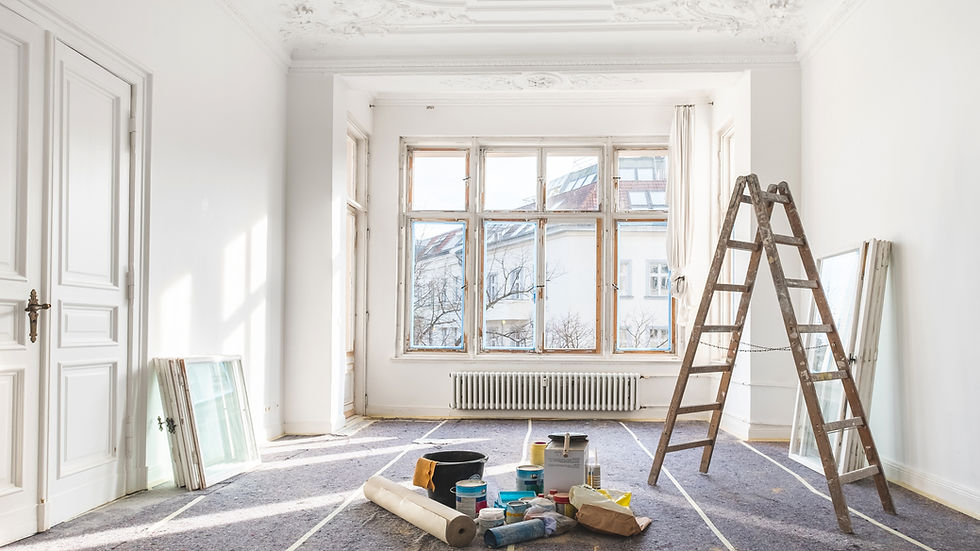
Embarking on a home renovation project is exciting. Whether you are finishing a basement, repairing water damage, or simply refreshing a room, new drywall provides the clean canvas your home needs. However, before the first sheet goes up or the first layer of mud is applied, there is a crucial step that often gets overlooked: preparation.
Drywall installation is an industrial process that happens inside a finished home. It involves heavy materials, cutting, sanding, and a significant amount of dust. While professional teams take great care to minimize the mess, homeowners play a vital role in ensuring the project runs smoothly. Proper preparation protects your belongings, keeps the timeline on track, and helps your contractor deliver the best possible results.
At Carney Construction, we have seen firsthand how a well-prepared room can make the difference between a stressful renovation and a seamless experience. By taking a few proactive steps, you can safeguard your valuables and help your construction team work efficiently. Here is everything you need to know to get your home ready for drywall replacement and repair.
Clear the Work Area
Space is the most valuable resource during a construction project. Drywall sheets are large, heavy, and awkward to maneuver. Installers need ample room to cut boards, set up scaffolding or ladders, and move freely without tripping over obstacles.
Start by removing as much furniture as possible from the room. If you have a spare room, garage, or storage unit, moving items completely out of the work zone is the best option. This guarantees that your sofas, tables, and chairs are safe from accidental bumps or settling dust.
If moving everything out isn't feasible, move all large furniture to the center of the room. Stack chairs and tables neatly and cover them with heavy-duty plastic sheeting. Secure the plastic with tape to ensure it doesn't slip off during the work. This creates a perimeter where the contractors can work on the walls and ceilings without obstruction.
Protect Your Floors
Your floors are vulnerable during drywall work. Dropped tools, spilled joint compound, and the constant foot traffic of workers in heavy boots can wreak havoc on hardwood, carpet, or tile.
Most professional contractors will put down their own floor protection, but it never hurts to add a layer of your own or ask about their specific process. If you are prepping the room yourself, consider using Rosin paper or "Ram Board" for hard surfaces. These materials are thick enough to absorb impact and prevent scratches.
For carpets, self-adhesive plastic film works wonders. It stays in place and prevents dust from grinding into the fibers. If you are hiring a South Jersey drywall contractor like Carney Construction, ask them during the consultation phase how they handle floor protection so you can rest easy knowing your home is covered.
The Battle Against Dust
The most notorious aspect of drywall work is the dust. Sanding joint compound creates a fine, white powder that can travel through the smallest cracks and settle on surfaces rooms away from the construction zone. Containing this dust is a priority.
Seal the Vents
Your HVAC system acts like a superhighway for dust. If the system is running while sanding is happening, it can suck dust into the return vents and blow it out into every other room in the house. Before work begins, close the vents in the room and cover them with plastic and tape. If possible, turn off the HVAC system entirely during the sanding phase to prevent dust from clogging your furnace filter.
Cover Electronics
Dust is the enemy of electronics. Computers, televisions, and gaming consoles attract dust due to static electricity, which can cause overheating and internal damage. Remove all electronics from the room. If a TV is mounted and cannot be moved, wrap it securely in plastic, sealing it completely.
Isolate the Room
To keep the rest of your house clean, hang plastic sheeting over the doorways leading into the work area. You can use masking tape to secure the plastic to the doorframe. Some homeowners install a zippered plastic door, which allows easy access for workers while maintaining a tight seal against dust.
Clear the Walls
It might seem obvious, but you must remove everything from the walls being repaired or replaced. This includes:
Pictures and artwork
Curtains, drapes, and blinds (including the hardware)
Shelving units
Light switch covers and outlet plates
If you plan to re-hang your pictures in the exact same spots, you might be tempted to leave the nails in. However, for drywall replacement, the old board is coming down, so the nails must go. Even for repairs, a flat surface is necessary for skimming and painting. It is generally best to remove all nails, screws, and anchors. You can always patch the small holes later or re-measure for your decor once the fresh drywall is painted.
Ensure Easy Access
Your contractor isn't just working in the room; they are moving back and forth from their truck to the workspace. Walk the path from your front door (or whichever entry point the crew will use) to the project room.
Is the hallway clear of clutter? Are there area rugs that could cause a tripping hazard? Is the path wide enough to carry a 4x8 sheet of drywall?
Clearing this path is essential for safety and speed. If you are scheduling drywall installation Sicklerville NJ residents trust, you want the crew spending their time installing walls, not navigating an obstacle course of shoes, coat racks, and toys.
Safety for Pets and Children
A construction zone is not a playground. Power tools, sharp blades, heavy materials, and open wall cavities pose significant risks to curious children and pets.
For the duration of the project, set up safety gates to keep children away from the work area. For pets, the noise of construction can be stressful. It is often best to keep dogs and cats in a separate, closed-off part of the house, or arrange for them to stay with a friend or at a kennel for a few days. This keeps them safe and prevents them from escaping through doors left open by workers carrying materials.
Why Professional Prep Matters
You might wonder why all this preparation is necessary if you are hiring professionals. While a reputable team will handle the heavy lifting of the construction itself, they are not movers or cleaners. If a contractor arrives and has to spend the first three hours moving furniture and taking down curtains, that is time not spent on your walls.
Furthermore, liability issues often prevent contractors from handling expensive personal items. By managing the household prep yourself, you ensure your valuables are handled with the care they deserve, and you allow the Carney Construction team to focus immediately on what we do best: delivering high-quality drywall results.
Maximize Your Results with Carney Construction
Preparation sets the stage for success. When you take the time to clear the space and protect your home, you allow the craftsmanship of your contractors to shine. The job gets done faster, the cleanup is easier, and the final product looks better.
Whether you are looking for a simple patch job or a full-room renovation, Carney Construction is here to help. As a leading South Jersey drywall contractor, we pride ourselves on respecting your home and delivering superior finishes. If you need drywall installation Sicklerville NJ homeowners rely on for quality and cleanliness, our team is ready to get to work.
Reach out to Carney Construction today to discuss your project and schedule a consultation. Let’s transform your space together.


Comments